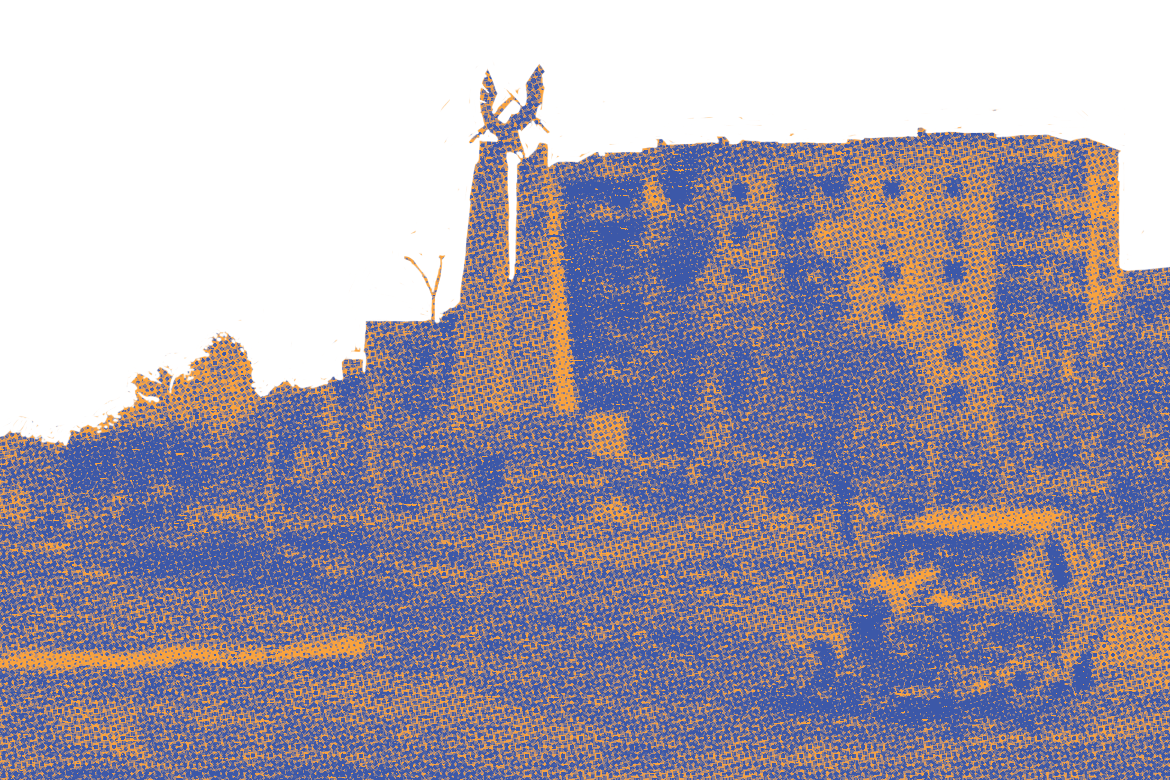

SECOND FRONT
Ukrainian Journalism in a Time of War
ANASTASIIA HRYSHCHENKO
On February 24, 2022, Ukraine entered a new reality: full-scale war. Russia’s attack on Ukraine fundamentally changed Ukrainian society, affecting every individual and bringing lasting socio-political and economic consequences. Journalism, in particular, has changed dramatically during wartime, as it plays a crucial role in covering events that influence how Ukraine and Ukrainians are perceived both domestically and globally. Journalists have had to adapt to these new conditions and form a “second front” — an informational one, behind the lines of armed confrontation.
They must learn to distinguish what can and cannot be reported and how to communicate with soldiers respectfully. This process of understanding is key to journalism in modern Ukraine. New laws also reflect journalists’ increased social responsibility. Journalism has always been vital in shaping public opinion, but today this role has become even more critical. Media workers are under special scrutiny because they shape how the majority of people see the world. During the publication process, editors must fully understand the implications that their content will have for society and national security.
Journalists now have an even greater social obligation than at any time in the recent past, and changes in the standards of reportage have become evident. Reporting from the frontlines has always come with a tremendous responsibility, but acquiring new and unique skills is now essential for every journalist working in the midst of war.
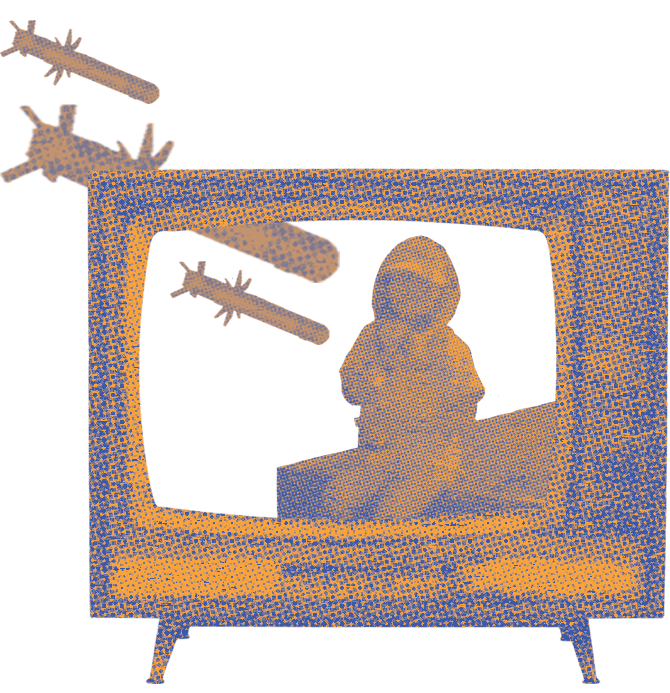
In this new reality, the rhetoric used by Ukrainian journalists has also changed. The formal and official tone used in the past has become more conversational, with slang and neologisms now commonplace. Despite deviating from traditional journalistic standards, this new language appeals to audiences by building trust and making the information more accessible.
Great responsibility remains with the journalist, however, whose choices define the structure of a narrative presented to a wide audience. Furthermore, finding eyewitness accounts and consulting experts is of paramount importance, considering that people are often biased.
One of the most pressing challenges Ukrainian journalists face is the information war. Since 2014, the media space has become a massive battleground. While traditional propaganda seeks to capture public consciousness, Ukraine’s modern information campaign aims not only to influence domestic audience but to win the support of international partners.
The core goal of this effort is to undermine the political strength of the opponent and weaken its regime. In this way, the war correspondent becomes an agent who documents crimes, provides photo and video evidence, sometimes exposing horrifying scenes — destroyed buildings, mutilated bodies, and other atrocities of war. War journalists become documentary witnesses to ensure that history cannot be rewritten by those for whom the truth is inconvenient.
Ukraine is enduring the most difficult period in its modern history. In recent years, Ukrainians have fought fiercely for freedom against Russia. How journalists record and represent reality is of great importance, as their reports can influence, educate, and inform the world about what is happening in Ukraine. It is due to Ukrainian journalists that the world knows the truth about what is happening in Ukraine and the horrendous crimes committed by Russia. It is essential to acknowledge the work of these correspondents who have become the world’s eyes into the brutality of war.